This LATE sorting station is a pioneer in recycling

This LATE sorting station is a pioneer in recycling

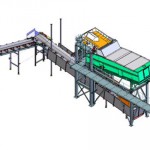
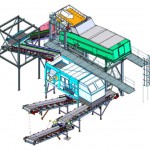
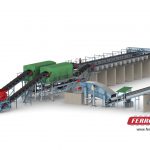
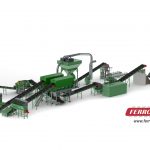
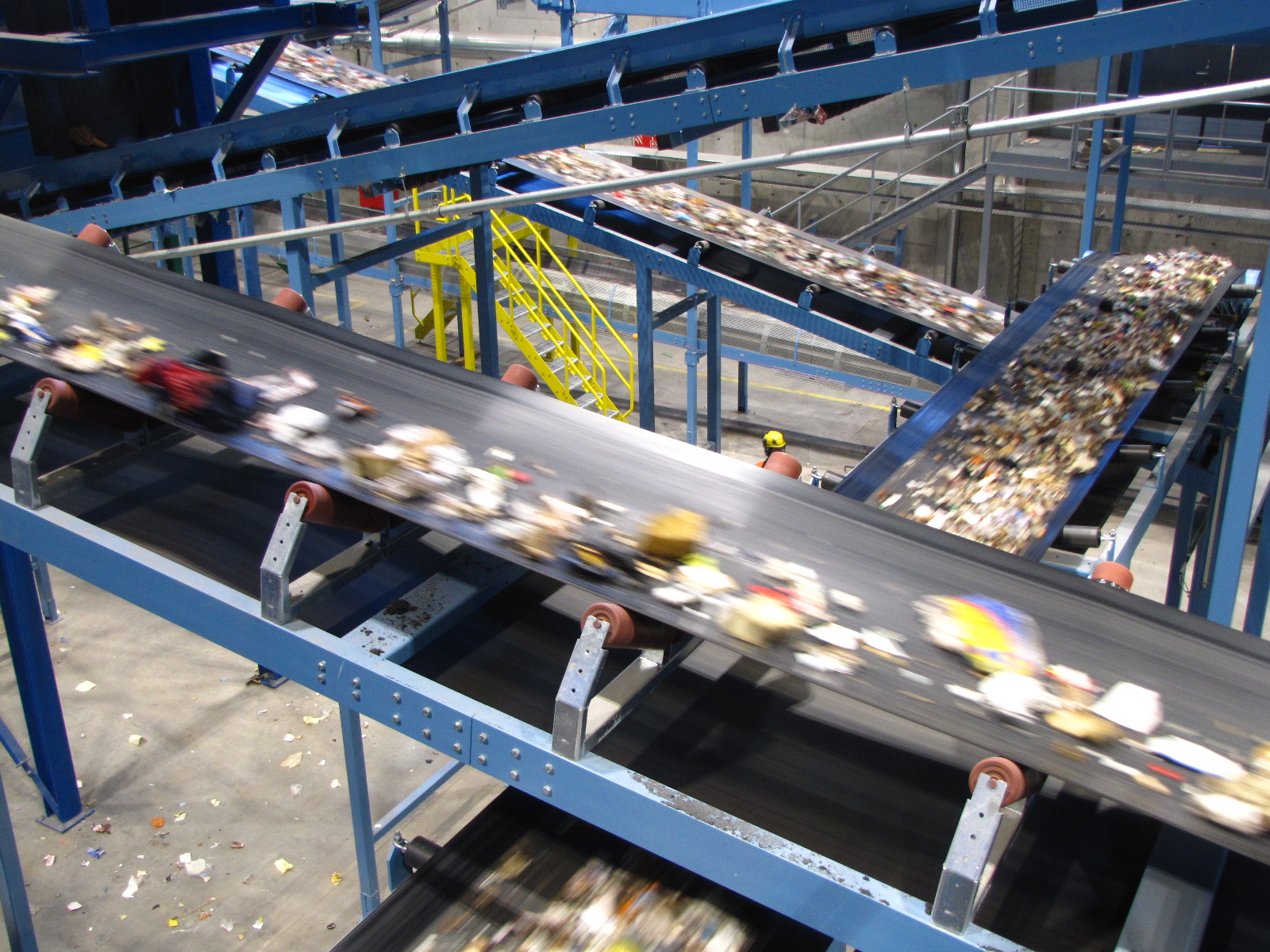
For Päijät-Häme Waste Management, the new LATE sorting station in Kujala, Lahti, represents a major step towards the ambitious goal of a 50% recycling rate. With its capacity of 65,000 tonnes, this 10 million euro facility is able to recover plastic, cardboard, and aluminium and other metals from household rubbish, construction waste, and waste suitable for energy generation.

After a bidding process, Päijät-Häme Waste Management selected Vimelco to be the building project’s main co-ordinator. In this capacity, Vimelco picked Ferroplan as its conveyor solution supplier. Purchase price was just one of the many factors influencing the choice of supplier, with just as much consideration given to maintenance and spare-parts costs, energy consumption, staffing and machinery requirements, and the value of the material recovered. Choosing Ferroplan as a subcontractor was made easier by the companies’ previous collaboration, which involved work on a similar project for waste company Kymenlaakson Jäte Oy. That work yielded excellent results.

Well-functioning solutions and reliable conveyors

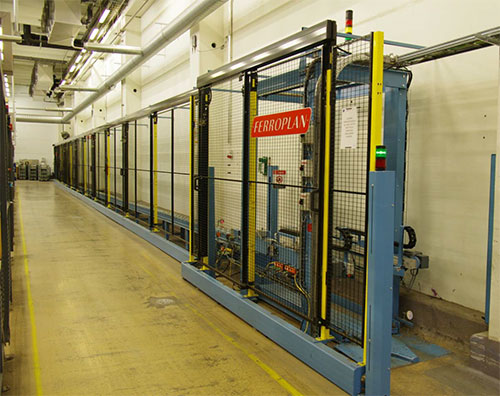
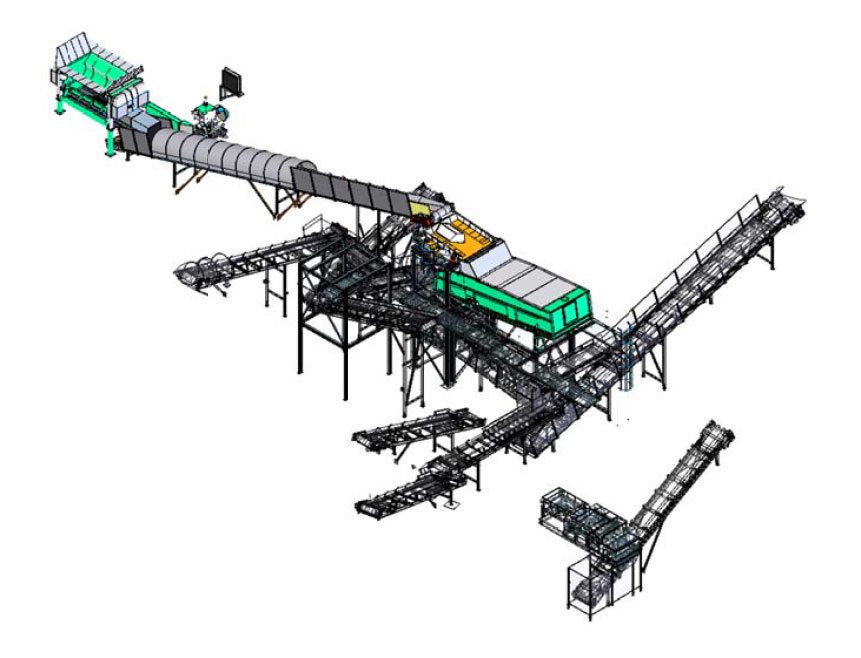
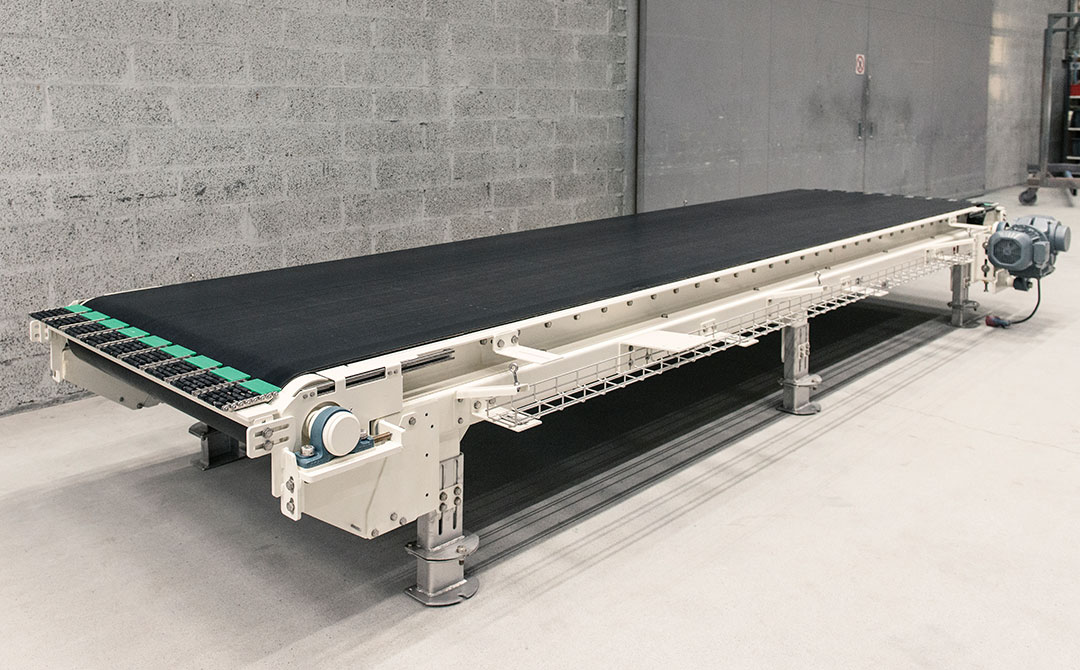
The end customer wanted its modern new facility to have a clean operating environment, which created certain requirements for the conveyor system. Also, the conveyors had to be easy to use and reliable, particularly because of the length of the plant’s conveyor system: in all, the new plant uses more than half a kilometre of conveyors.

‘Conveyors are not always designed to cope with challenging waste materials, but one of Ferroplan’s good traits is an ability to make improvements as soon as any weaknesses emerge. Their factory being located in Päijät-Häme was another bonus,’ says Vimelco product manager Lauri Rahikoinen, listing Ferroplan’s strengths as a supplier.


Minimising the amount of waste sent to landfills

As the new plant can be used to sort waste of all types, from household and construction waste to waste used for energy generation, only a couple per cent of the solid waste now ends up as landfill. Since the multi-step, adjustable process brings flexibility also, operations can be developed in line with the market situation.

The suppliers can be proud of the pioneering spirit of the project too: this facility, along with Ekokem’s Eco Refinery, is Finland’s first sorting plant capable of recovering not only metals but also plastics and fibres from a wide range of waste materials. That’s recycling at its best.

The LATE sorting plant…

– can handle 65,000 tonnes in two shifts
– can crush around 20 tonnes of waste in an hour (the amount depends on the waste type)
– receives 250 tonnes of waste a day
– has 14 exit points for recovered material
– was delivered by Vimelco Oy
– uses conveyors supplied by Ferroplan Oy
A high-quality goods lift solves logistics challenges for KaVo Kerr’s maintenance team

A high-quality goods lift solves logistics challenges for KaVo Kerr’s maintenance team

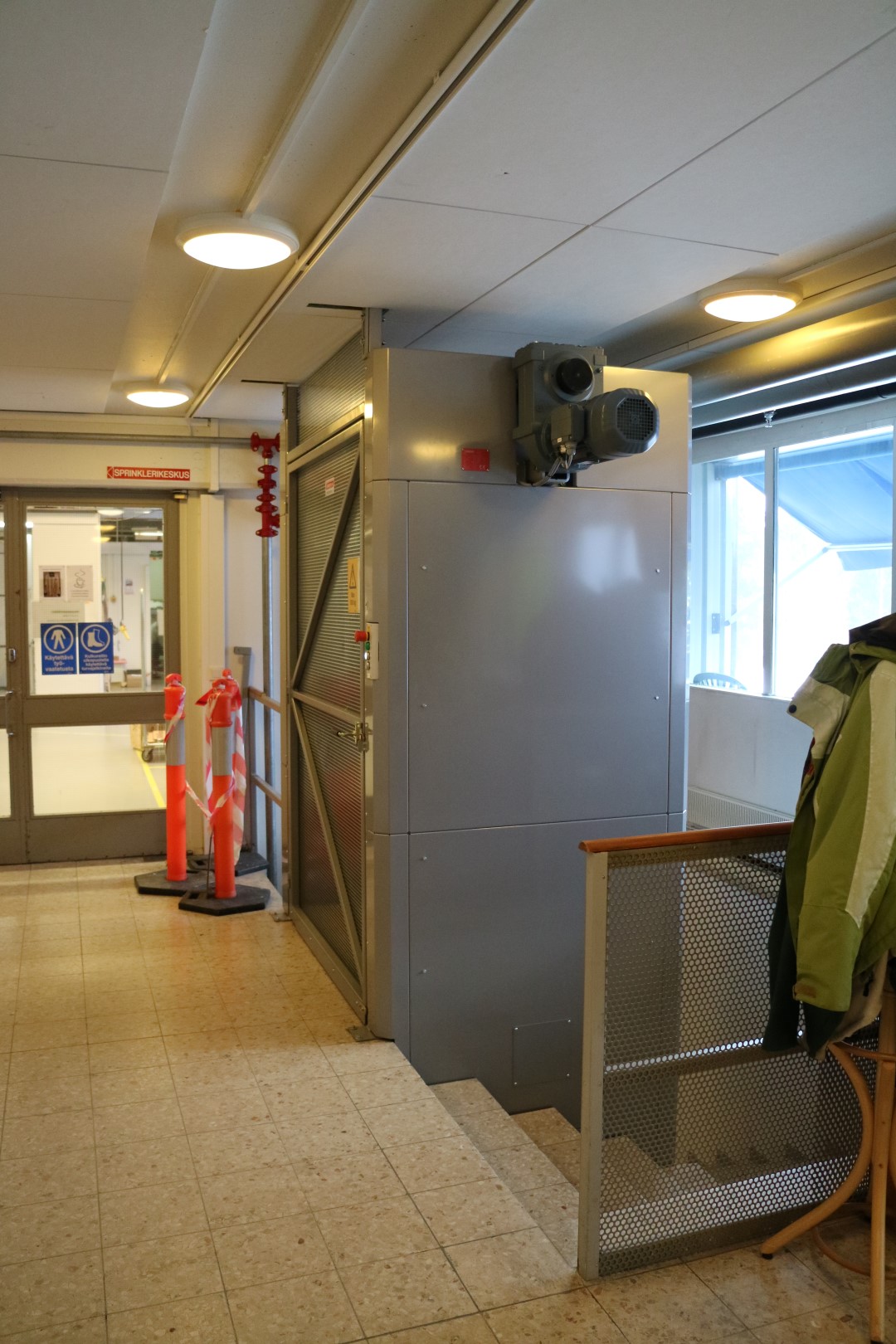
In spring 2017, Ferroplan delivered an industrial lift to KaVo Kerr for transporting goods between two floors. The Tuusula-based KaVo Kerr specialises in manufacturing dental imaging equipment. They use the lift to transfer goods on pallets, components and spare parts, and equipment requiring repairs from one floor to the other.

The goal for KaVo Kerr was to find a supplier that was able to adjust to a flexible schedule and offer a product that could be installed in an old staircase while keeping the necessary structural work to a minimum. The qualities sought in the product were safety, reliability, and user-friendliness.

‘Ferroplan’s offer was not the lowest, but we’ve had good experiences of collaboration with them, which helped to sway our decision in their favour. And, after discussions, we arrived at a competitive price,’ explains KaVo Kerr’s Facility & EHS Manager Heikki Majakallio.

Safety and ergonomics taken to a new level

The lift is put to regular use by KaVo Kerr’s maintenance team . This new solution has boosted ergonomics and occupational safety, since equipment no longer has to be carried up the stairs for maintenance.

Ferroplan and KaVo Kerr are happy with the project, which ran smoothly from start to finish. The system is not only stylish but also highly functional and easy to use.

‘We were clearly on the same wavelength in the design stage. Special thanks to the installation team, as they did their job really well. Occupational safety was taken into account every step of the way,’ says Majakallio.

KalusteMuovi Virtala: Further boosts to production are in the works

varastojärjestelmä levyvarasto

KalusteMuovi Virtala: Further boosts to production are in the works

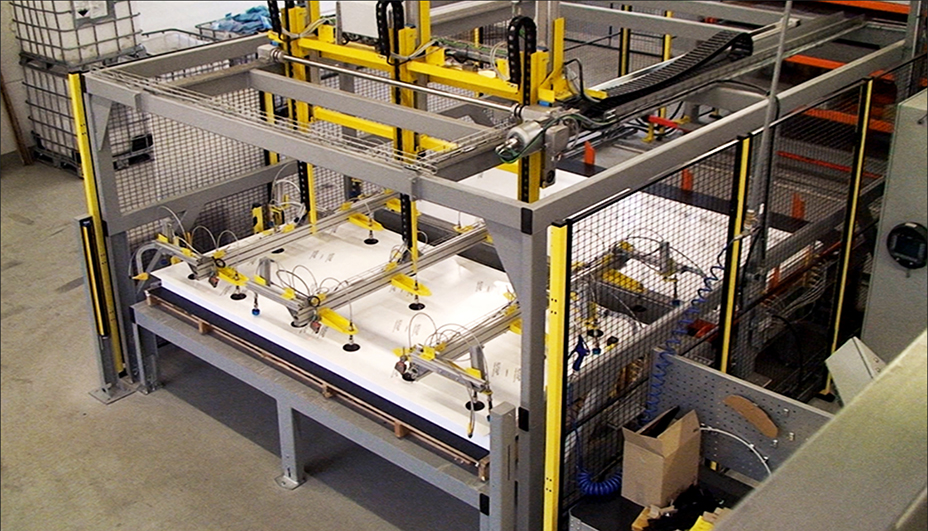
In January 2016, Ferroplan supplied KalusteMuovi Virtala with an automated storage system for its work with plastic sheets. Built in connection with the cutting station, this wireless system comprises a vacuum lifting device, a beam trolley system, and 90 storage positions. Jouko Virtala of KalusteMuovi Virtala says that when the company was faced with the need to boost its production, he acquired a new building to house the necessary cutting station and storage system. Ferroplan was selected as the supplier on the strength of its convenient location and positive experiences of earlier collaboration.


‘We needed to act, because we were behind in our cutting operations and deliveries were late. We had to automate some of our operations,’ says Virtala. The improvements to efficiency also helped his company reduce its costs. In the past, plastic sheets were transferred manually and with forklifts. The new system has not only speeded up deliveries but also improved safety. With the automated solution, KalusteMuovi Virtala can perform all the cutting processes seamlessly and complete deliveries easily in the course of a single working day, which has reduced wastage. A customer arriving to pick up a delivery can receive the products within only a few minutes.


An investment spurred by improvements in warehouse management and quality


Thanks to the automated storage system, the company now has up-to-date information on its warehouse stocks and can check the inventory details with a push of a button. Real-time information on sheet numbers and weights contributes to more efficient planning of production. Delivery quality has improved, since the sheets now are stored indoors in heated facilities and the vacuum lifter ensures that they remain cleaner and securely in place. The financial benefits brought by the new system are considerable, according to Virtala.


Everyone at KalusteMuovi Virtala has been happy with Ferroplan’s delivery. The automated system has met the objectives set for it. Cutting operations have become considerably more efficient, and deliveries are on schedule again. ‘We are planning to install another automated line, so it’s all looking good,’ explains Virtala. He says that everything has gone to plan and urges Ferroplan to keep up the good work.


Lahti-based KalusteMuovi Virtala is a family-run business. Its operations encompass the import, sale, and further processing of semi-finished plastic products (sheets, films, and beams), with experience spanning more than three decades.

Further information at www.kalustemuovi.fi

Valio: Efficiency rose by up to 20%

maitorullakko akkumulointirullakuljetin

Valio: Efficiency rose by up to 20%

In September 2013, Ferroplan delivered a cart conveyor system to Valio Oy’s dairy in Riihimäki. Comprising various lifting devices and roller conveyors, the system rendered dairy operations safer and more efficient.

‘Originally, we had a narrow 40-metre corridor where people transferred carts and roll containers manually. In addition, forklifts transporting pallets used the corridor. The day-to-day tasks involved plenty of walking, and we wanted to pay attention to occupational safety,’ explains Valio warehouse foreman Jouni Rissanen.

Ferroplan presented an offer in January 2013, the agreement was signed in June, and the system was delivered on schedule in September. The conveyors have speeded up the picking process for products that have to be manually picked for delivery, including UHT milk.

‘Right from the get-go, we wanted to design a system that was simple, easy to maintain, and safe to use. Ferroplan’s system is flexible, as its safety fence can be opened anywhere along its length. The entire project proceeded as agreed, and we’re extremely pleased with the delivery. ‘In addition to rendering our operations safer, the solution has increased our efficiency by 10–20 per cent,’ Rissanen says.

We offer individual conveyors quickly

vapaa rullakuljetin

Meiltä myös yksittäiset kuljettimet nopeasti

Ferroplan delivers individual belt, chain and roller conveyors from a few days’ notice. Call now!

SALES

Kalle Virta
Tel. +358 (0)40 8619 883
Antti Viljanen
Tel. +358 (0)41 504 6706
Pauli Räihä
Tel. +358 (0)40 591 2337

Vimelco: Waste to landfill reduced to a third

REF-kuljetin

Vimelco: Waste to landfill reduced to a third

It takes more than good will and slight tweaking to reduce the amount of waste directed to landfill from 30,000 to 10,000 tonnes. Taking a step towards more environmentally friendly operations in 2013, Kymenlaakson Jäte Oy made a large investment in preparation for the ban on disposal of organic waste at landfill sites, entering force in 2016. Ferroplan participated in this environmental measure by delivering 14 belt conveyors to Hyvinkää-based Vimelco Oy, which was responsible for the waste-treatment line solution to be used at the new waste treatment facility.

‘Waste is an unpredictable material, so we wanted a conveyor provider that could supply more than just hardware. We wanted a partner that would ensure at every stage of the project that the conveyors would also function in the final application,’ explains Vimelco’s product and project manager Lauri Rahikainen.

As this was Vimelco’s first full-scale plant delivery, the company wanted to pay special attention to preliminary investigations and the selection of collaboration partner. The client’s goal was to implement efficient treatment processes for mixed waste, enabling it to recover the maximum amount of waste for recycling and energy use. Because of this, every detail of the project had to be meticulously planned.

Ferroplan was selected as the conveyor supplier because it was known to be a reliable partner with strong expertise in the field. Installation work began in spring 2013, and the work progressed well, sometimes even ahead of schedule. The innovative waste treatment plant, which has aroused the interest of other waste companies, celebrated its opening in July.

Located in Keltakangas, the plant produces six categories of waste, five of which can be utilised either as raw material or in energy generation. The plant has the capacity to process 11 tonnes of waste an hour, and clearly Ferroplan’s conveyor systems are partly to thank for this.

Waste travels by conveyor

First, waste travels along a trough-belt conveyor to a ballistic separator, which separates out four types of waste, including 2D waste that can be combusted and 3D waste that contains hard, rolling pieces. The resulting fine waste material is transferred along an 11-metre trough-belt conveyor, which has a magnetic drum separator to remove iron from the waste.

The heavier 3D material passes via three conveyors and a magnetic separator to a wind sifter, at which the lighter organic material is separated from the heavy waste containing stones, concrete, metals, and other inorganic material. Both of these categories of waste are taken from the wind sifter via a trough-belt conveyor.

If the organic matter removed by the wind sifter is combustible, it can be transported backwards and combined with the 2D fraction separated out by the ballistic separator, through reversal of the conveyor’s rotation direction. The conveyor converges with the old shredding line, which takes the waste to an eddy current separator. This separator removes non-ferrous metals, primarily aluminium. The end result of the process is a combustible class of material that can be incinerated in, for example, a bubbling fluidised-bed boiler.

The project outcome, a new waste treatment plant integrated into Kymenlaakson Jäte Oy’s former recovered fuel plant, met all the customer expectations. Now the plant generates the least possible landfill waste that falls under waste tax requirements.

Watch a video showing the waste speeding through the sorting lines on YouTube

Ferroplan’s composting plant in Vietnam – a local tourist attraction

yhdyskuntajätteen käsittely kompostointilaitos municipal waste treatment

Ferroplan’s composting plant in Vietnam – a local tourist attraction

Sorting waste has become second nature to Finnish consumers, but in many developing countries, recycling is just taking its first baby steps. In Vietnam, however, recycling took a major leap forward in 2013 when a composting plant delivered by Ferroplan began operation in the province of Binh Duong, about 50 km from Saigon.

Now this southern Vietnamese province can turn waste into money, since organic matter can be composted and recyclable material recovered with ease. Each hour, the plant produces around six tonnes of organic material that can be sold on.

‘Our composting plant is a true forerunner in local infrastructure design. University students and other visitors arrive in busloads to view the plant’s operations and solutions. By local standards, the investment is exceptionally large, but it sets an excellent precedent in a society that is developing rapidly,’ explains Miika Koskela, Ferroplan’s project manager for environmental projects.

Of the full seven-million-euro investment, about half was allocated to infrastructure, such as buildings, wheel loaders, and compost-turners, while the remainder was put towards acquiring sorting-line equipment.

In Vietnam, waste is not generally sorted before disposal. It gets disposed of in a single container. So the composting plant has its work cut out for it, and the processing of waste consists of several steps. The plant receives 420 tonnes of mixed waste each day, all year round, and this waste must be screened for material suitable for composting. Recyclable materials, such as aluminium, which is abundant in mixed waste in Vietnam, must be separated out manually. Even when it can’t be reused as-is, aluminium has monetary value, so its recovery is well worth the effort.

‘In addition to organic waste, iron and other magnetic material is separated out mechanically, but several of the processes at the plant are performed manually. Because jobs are important for a developing country, there is no urgent need to replace all manual work phases with technology,’ Koskela explains.

Local knowledge and top-notch technology

In projects involving international collaboration, the supplier must have knowledge of local conditions and factors such as differences in work culture. Koskela’s position in supervising on-site electrical work afforded him a unique vantage point for observing these differences. On occasion, there were only four men working at the project site, instead of the 10 expected. The work on the site was monitored also by Ferroplan’s Finnish project manager, who relocated to Vietnam for several years.

Even though not all processes can be mechanised, a reliable supplier can contribute to safe work conditions and appropriate work processes on the manual line. Western principles for working life represent an important step towards a more industrialised society.

Ferroplan shouldered overall responsibility for the long and challenging project, and it selected the other suppliers required for the completion of the work. In the end, three partners were chosen for the project, including another Finnish company Allu Finland Oy. According to Koskela, one of Ferroplan’s strengths is that it is not tied to any particular suppliers so can freely select the most suitable partners for each project.

The composting plant includes 10 of Ferroplan’s conveyors in the pre-treatment area and 12 conveyors in the post-treatment plant. The plant also has three magnetic separators. From the pre-treatment area, organic waste is transferred to a composting unit, where decomposition takes place over 21 days under strictly controlled humidity and temperature conditions. The curing stage, after this, takes 27 days.

The resulting mature compost is then screened on the basis of size. Some of the material is used for landscaping the local landfill, which also brings financial benefits for the customer. Other material is packed in bags and sold as compost.


Center Master

Hihnankeskittäjä hihnakuljetin

Center Master

We have a solution for your conveyor-belt mistracking problems

THE CHALLENGE

Mistracking of a conveyor belt is a commonplace problem that demands hours of repair work and testing. All this consumes money, takes valuable time, and wears on the nerves.

THE SOLUTION

Ferroplan Center Master is a patented solution to handle mistracking of a conveyor belt. After installation, the Center Master system guides the belt back into place in a small fraction of the time usually spent on repair work. This is the easiest, fastest, and least expensive way to realign a mistracked conveyor belt. You can order the solution in a standard width or to order to match your belt width.

  • A quick and easy answer
  • Time savings
  • A patented solution

Center Master standard widths:

  • 500 mm
  • 650 mm
  • 800 mm
  • 1,000 mm
  • 1,200 mm
  • 1,400 mm

Other widths are available on request.


Nokian Heavy Tyres: Productivity increased by as much as 10%

Rengasaihiovarasto

Nokian Heavy Tyres: Productivity increased by as much as 10%

In summer 2014, Ferroplan supplied a warehouse system for Nokia-based Nokian Heavy Tyres to use in its green tyre storage. Complete with wireless power-transfer technology, the system includes places for 383 green tyres, three automated transfer carts, and chain conveyors. Changes to the system at Nokian Heavy Tyres were necessary because the company was experiencing problems in its intralogistics.

‘Our old system, which used overhead rails, caused problems in our warehouse management and occasionally even led to hazardous situations,’ explains plant manager Pasi Antinmaa, adding: ‘We wanted to invest in occupational safety, and the new system helped us do just that. In addition, we always want to offer our clients top-quality products. The new system facilitates timely and transparent quality control and monitoring of stock. Adhering to the first-in, first-out principle is important because the quality of rubber suffers during long storage,’ Antinmaa explains

In addition to improving occupational safety and quality, Nokian Heavy Tyres increased productivity and enhanced its stock management.

‘Thanks to the new solution, the productivity of our diagonal tyre production has increased by up to 10 per cent. In addition, our warehouse records are now totally accessible. We’re able to perform an online inventory any time, in any place. Each green tyre has its own ID code, enabling us to obtain information on each tyre in real time at every stage of production. This greatly contributes to customer satisfaction, since faulty products can be tracked immediately if the information indicates that there is a problem,’ explains Antinmaa.

Nokian Heavy Tyres were happy with Ferroplan’s delivery, and the system has exceeded all expectations as to the time in which it paid for itself. In most areas, all the goals set for the project have now been reached. Further development is still under way.

‘Our collaboration with Ferroplan has been fruitful, and we’re happy with the outcome. At the moment, intralogistics challenges are a hot topic in industry, and this solution is a good example of a successful project. Any large project has its challenges, but with good collaboration, you can deal with them,’ Antinmaa concludes.